
Small, medium and large FDM 3D printers
A small FDM printer suits desk-sized parts; medium sits around the 30 cm class and large approaches 45–50 cm projects. These are browsing groups, not strict cutoffs. The final fit depends on the three dimensions of your part and the exact machine.
Start with the part
Measure width, depth and height of the finished part. Test its orientation in a slicer and leave room for supports and a brim. Small, medium and large help you explore; they never replace X×Y×Z measurements.
How large is your part?
Three scales to start with. The exact dimensions are always in the profile.
Bambu Lab A1 mini
180 × 180 × 180 mmDesktop objects and first prints.
View profile and limitationsPrusa CORE One L+
300 × 300 × 330 mmAround the 30 cm class.
View profile and limitationsSovol SV08 Max
500 × 500 × 500 mmLarge parts and dedicated space.
View profile and limitationsSmall, medium and large are references, not strict dimensional filters.
Models with their own profiles
 FDM printers
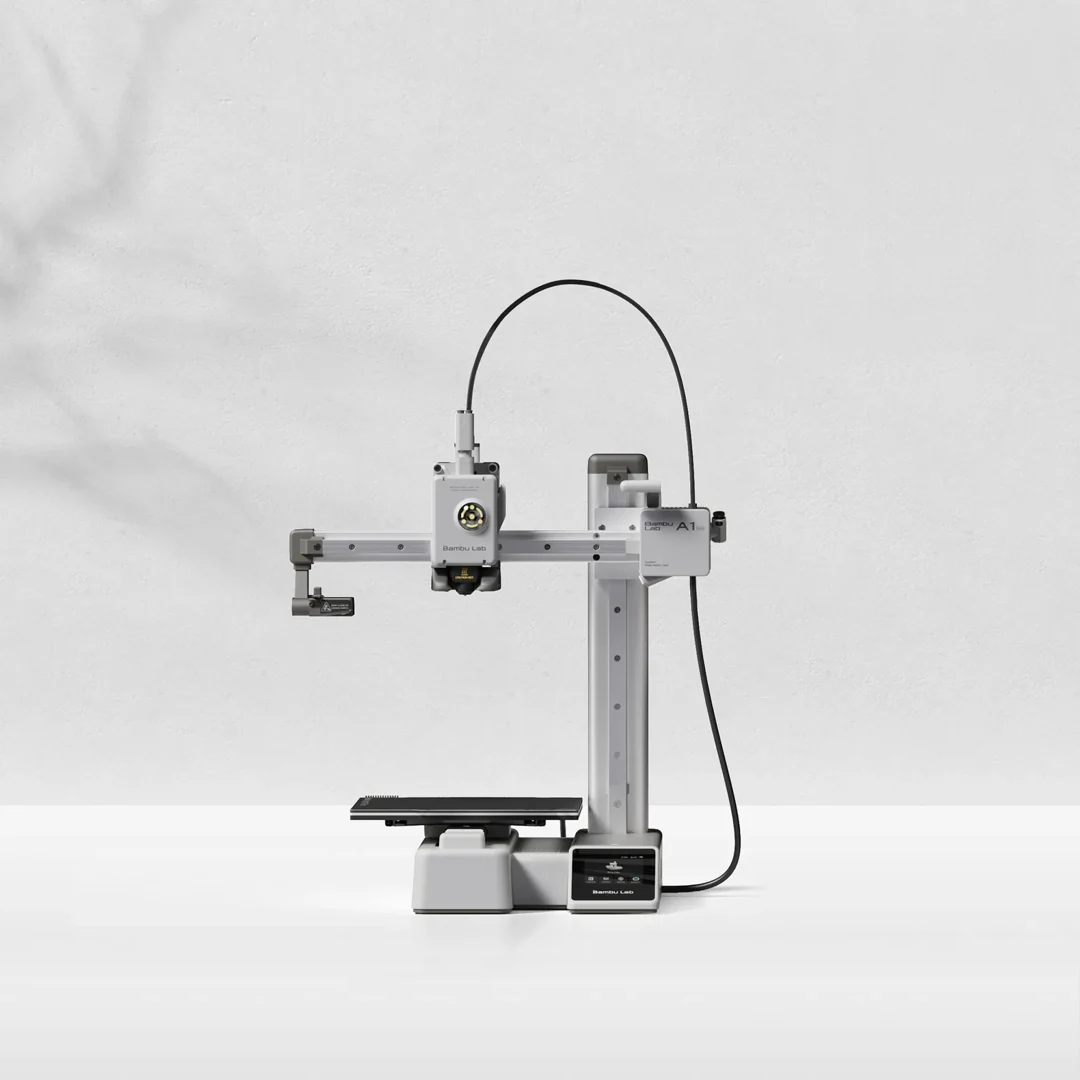
Bambu Lab A1 mini
Compact FDM printer with a 180 × 180 × 180 mm build volume in its official technical sheet. A reference for the small class.
180 × 180 × 180 mmView profile and limits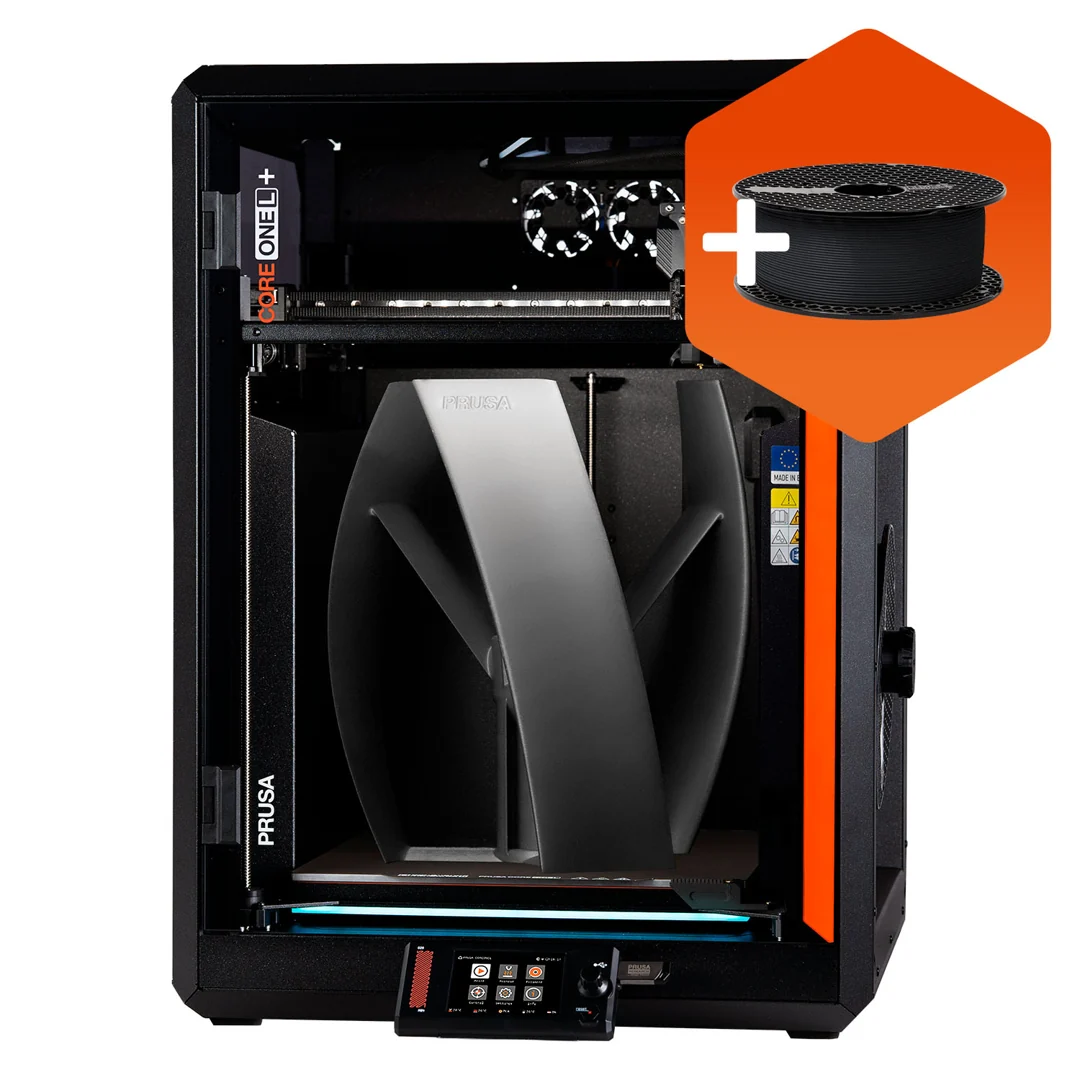 FDM printers
Prusa CORE One L+
Enclosed FDM printer with a 300 × 300 × 330 mm build volume. Suits medium projects that benefit from a controlled chamber; check external clearance and material needs before buying.
300 × 300 × 330 mmView profile and limits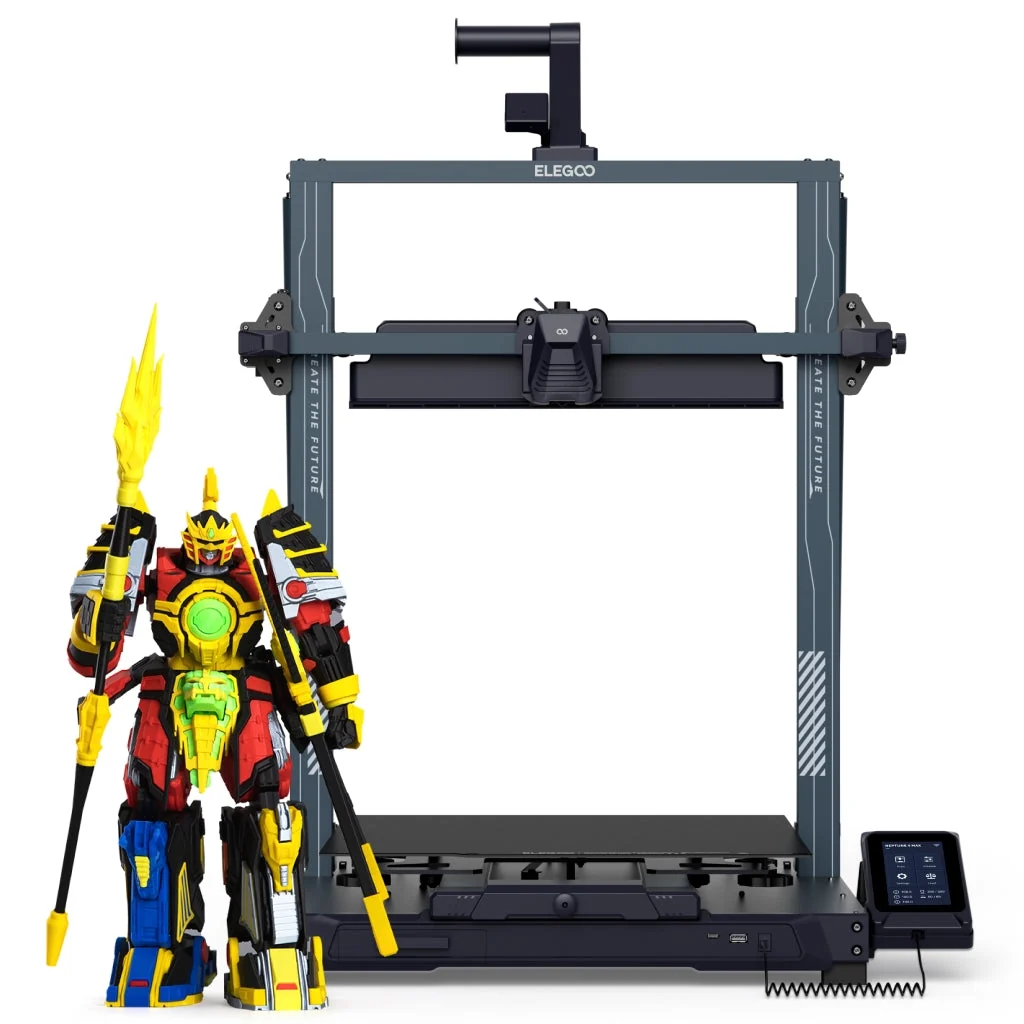 FDM printers
ELEGOO Neptune 4 Max
Open-frame FDM printer with a 420 × 420 × 480 mm build volume. A large format option short of a 500 mm machine; the official sheet also specifies operating clearance.
420 × 420 × 480 mmView profile and limits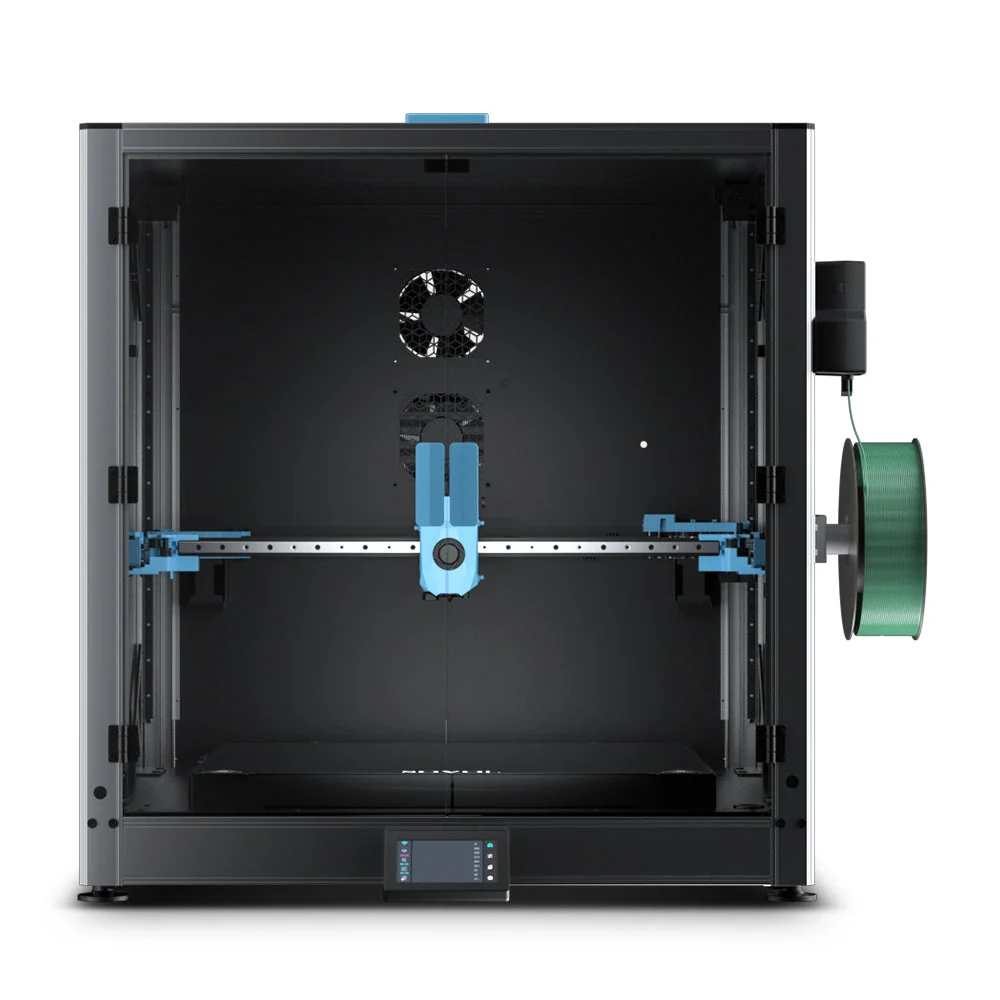 FDM printers
Sovol SV08 Max
Large-format CoreXY FDM printer with 500 × 500 × 500 mm in its base configuration. Relevant when roughly 45 × 45 × 50 cm is the intended scale.
500 × 500 × 500 mmView profile and limits
No models match this combination. Try another material or color.
Practical guides
- What a 30 × 30 × 30 cm printer really means
- Choosing a large printer around 45 × 45 × 50 cm
- How to measure a part before choosing a build plate
Build volume is not the machine footprint. Allow space for the spool, cables, ventilation and bed travel.
All about fdm 3d printers by size
Models with profiles
- Technical profile: Bambu Lab A1 miniCompact FDM printer with a 180 × 180 × 180 mm build volume in its official technical sheet. A reference for the small class. Manufacturer-based specificati
- Technical profile: ELEGOO Neptune 4 MaxOpen-frame FDM printer with a 420 × 420 × 480 mm build volume. A large format option short of a 500 mm machine; the official sheet also specifies operating
- Technical profile: Prusa CORE One L+Enclosed FDM printer with a 300 × 300 × 330 mm build volume. Suits medium projects that benefit from a controlled chamber; check external clearance and mat
- Technical profile: Sovol SV08 MaxLarge-format CoreXY FDM printer with 500 × 500 × 500 mm in its base configuration. Relevant when roughly 45 × 45 × 50 cm is the intended scale. Manufacture
Guides and tutorials
- 30 × 30 × 30 cm 3D printer: choosing medium sizeWhat to expect from a 3D printer around 30 × 30 × 30 cm: usable volume, part orientation, machine footprint and models with verified dimensions.
- Large 3D printer around 45 × 45 × 50 cmHow to choose a large 3D printer near the 45 × 45 × 50 cm class without confusing build volume, machine footprint or product variant.
- 3D print first layer: a step-by-step diagnosisAn FDM first-layer tutorial: inspect the extrusion line, surface and profile, tell high from low nozzle position and adjust without damaging the bed.
- How to measure a part for 3D printer build volumeA tutorial for matching your part dimensions to a printer's X, Y and Z build volume, leaving room for orientation, supports and bed margins.